Why EPDM Flat Roofs Are a Great Choice

The roofing industry has witnessed significant advancements in materials and installation techniques over recent decades. Among these innovations, Ethylene Propylene Diene Monomer (EPDM) roofing has emerged as a highly regarded option, particularly for flat roofs. This synthetic rubber membrane offers a combination of durability, flexibility, and cost-effectiveness that makes it an attractive choice for many property owners. In this article, I will explore the various advantages of EPDM flat roofs, discuss some potential drawbacks, and provide practical insights to assist in making an informed decision.
Understanding Flat Roof EPDM Benefits
EPDM roofing membranes are composed of a durable synthetic rubber material that is designed to withstand harsh weather conditions. One of the primary benefits of flat roof EPDM is its exceptional resistance to ultraviolet (UV) radiation and ozone exposure. This characteristic ensures that the roofing material maintains its integrity over extended periods, even under the intense sunlight common in exposed locations.
Another significant advantage is the membrane’s flexibility. EPDM can expand and contract with temperature fluctuations without cracking or becoming brittle. This property is particularly valuable in regions where seasonal temperature variations are pronounced. The material’s elasticity reduces the likelihood of leaks and structural damage, thereby extending the roof’s lifespan.
Installation of EPDM roofing is relatively straightforward compared to other flat roofing options. The membrane is available in large sheets, which minimizes the number of seams and potential weak points. Additionally, EPDM can be adhered, mechanically fastened, or ballasted, providing versatility to suit different building requirements and budgets.
Maintenance requirements for EPDM roofs are minimal. The material’s smooth surface resists dirt accumulation and algae growth, which can be common issues with other roofing types. Routine inspections and cleaning are generally sufficient to preserve the roof’s condition, reducing long-term maintenance costs.

Flat roof with EPDM membrane installation showcasing smooth, seamless surface
Practical Advantages of EPDM Flat Roofs for Property Owners
For property owners in the Scottish Highlands, the choice of roofing material must consider the local climate, which includes frequent rain, strong winds, and occasional snow. EPDM flat roofs offer several practical benefits that align well with these environmental factors.
Firstly, the waterproof nature of EPDM is highly effective in preventing water ingress. The membrane’s seamless installation reduces the risk of leaks, which is crucial in areas prone to heavy rainfall. This waterproofing capability protects the building’s structural elements and interior spaces from moisture damage.
Secondly, EPDM’s resistance to wind uplift is noteworthy. The membrane’s secure attachment methods ensure that it remains firmly in place during storms and high winds, which are not uncommon in the Highlands. This stability contributes to the overall safety and durability of the roofing system.
Energy efficiency is another consideration. EPDM membranes can be produced in light colours, which reflect solar radiation and reduce heat absorption. This reflective property helps maintain cooler indoor temperatures during warmer months, potentially lowering energy consumption for cooling systems.
Furthermore, EPDM roofing is environmentally friendly. The material is recyclable, and its long service life reduces the frequency of roof replacements, thereby minimizing waste. For property owners seeking sustainable building solutions, EPDM represents a responsible choice.

Close-up of EPDM roofing membrane texture highlighting material flexibility
What Are the Disadvantages of EPDM Roofing?
While EPDM flat roofs offer numerous benefits, it is important to consider some limitations to ensure a balanced perspective.
One potential drawback is the membrane’s susceptibility to punctures from sharp objects or foot traffic. Although EPDM is generally resilient, careless handling during installation or maintenance can cause damage. Protective measures, such as walkway pads, are recommended to mitigate this risk.
Another consideration is the aesthetic aspect. EPDM membranes are typically black or dark grey, which may not suit all architectural styles or preferences. While lighter-coloured options exist, they are less common and may come at a higher cost.
The installation process, although simpler than some alternatives, requires skilled professionals to ensure proper adhesion and seam sealing. Poor installation can lead to premature failures, such as leaks or membrane detachment. Therefore, selecting an experienced roofing contractor is essential.
Finally, EPDM roofs may not be compatible with certain roofing materials or substrates without appropriate preparation. This factor can influence the overall project timeline and budget.
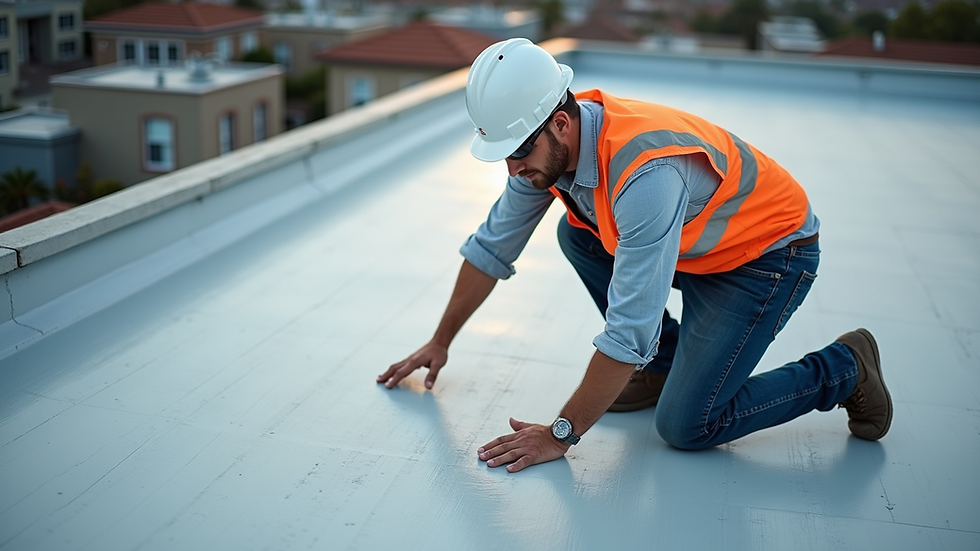
Roofing contractor inspecting EPDM flat roof for quality assurance
Recommendations for Maximising the Lifespan of EPDM Roofs
To fully benefit from the advantages of EPDM roofing, several best practices should be followed.
Engage qualified professionals: Ensure that installation and repairs are conducted by experienced roofing contractors familiar with EPDM systems. This approach reduces the risk of errors and enhances durability.
Regular inspections: Schedule periodic roof inspections, especially after severe weather events. Early detection of minor issues can prevent costly repairs.
Protect the membrane: Use walkway pads or protective coatings in areas with frequent foot traffic to avoid punctures and wear.
Maintain cleanliness: Remove debris and clean the roof surface to prevent accumulation that could compromise drainage or membrane integrity.
Address repairs promptly: Any damage or seam separation should be repaired without delay to maintain waterproofing effectiveness.
By adhering to these recommendations, property owners can ensure that their EPDM flat roofs perform optimally for many years.
The Strategic Value of EPDM Roofing in the Scottish Highlands
Given the challenging weather conditions typical of the Scottish Highlands, the strategic selection of roofing materials is paramount. EPDM flat roofs provide a reliable solution that balances performance, cost, and environmental considerations.
The material’s resilience against moisture, wind, and temperature fluctuations aligns well with the region’s climate demands. Additionally, the ease of maintenance and long service life contribute to reduced operational costs and enhanced property value.
For property owners seeking a roofing system that combines proven durability with practical advantages, EPDM represents a compelling option. The availability of professional installation and support services further strengthens its appeal.
In light of these factors, it is evident that epdm flat roofs merit serious consideration for any flat roofing project in the Scottish Highlands.
This comprehensive overview has aimed to provide clear, practical information on the benefits and considerations associated with EPDM flat roofs. By understanding these aspects, property owners can make informed decisions that safeguard their investments and ensure long-term satisfaction.


Comments