Expert Tips for Flat Roof Installation

Flat roofing has become an increasingly popular choice for many properties, especially in regions where modern architectural styles prevail. The appeal lies in its sleek appearance, cost-effectiveness, and the efficient use of space it offers. However, the success of any flat roof project depends heavily on the methods and materials employed during installation. This article provides a comprehensive guide to expert flat roofing techniques, offering practical advice and detailed insights to ensure a durable and efficient roof.
Understanding Flat Roofing Techniques
Flat roofing techniques have evolved significantly over the years, adapting to new materials and environmental challenges. Unlike pitched roofs, flat roofs require meticulous attention to drainage and waterproofing to prevent water accumulation and damage. The primary materials used include single-ply membranes, built-up roofing (BUR), modified bitumen, and liquid-applied membranes. Each material demands specific installation methods to maximise longevity and performance.
One essential technique involves the preparation of the roof deck. The surface must be clean, dry, and structurally sound before any roofing material is applied. This preparation often includes the installation of insulation boards to improve thermal efficiency. Proper insulation not only reduces energy costs but also prevents condensation issues that can compromise the roof’s integrity.
Another critical aspect is the installation of an effective drainage system. Flat roofs are not entirely flat but have a slight slope, typically between 1:40 and 1:80, to facilitate water runoff. Incorporating internal drains, scuppers, or gutters ensures that water does not pool on the surface, which could lead to leaks or structural damage.

Essential Materials and Tools for Flat Roofing
Selecting the right materials and tools is fundamental to achieving a successful flat roof installation. The choice depends on factors such as climate, budget, and the building’s structural requirements. For example, in the Scottish Highlands, where weather conditions can be harsh and unpredictable, materials with high durability and weather resistance are preferred.
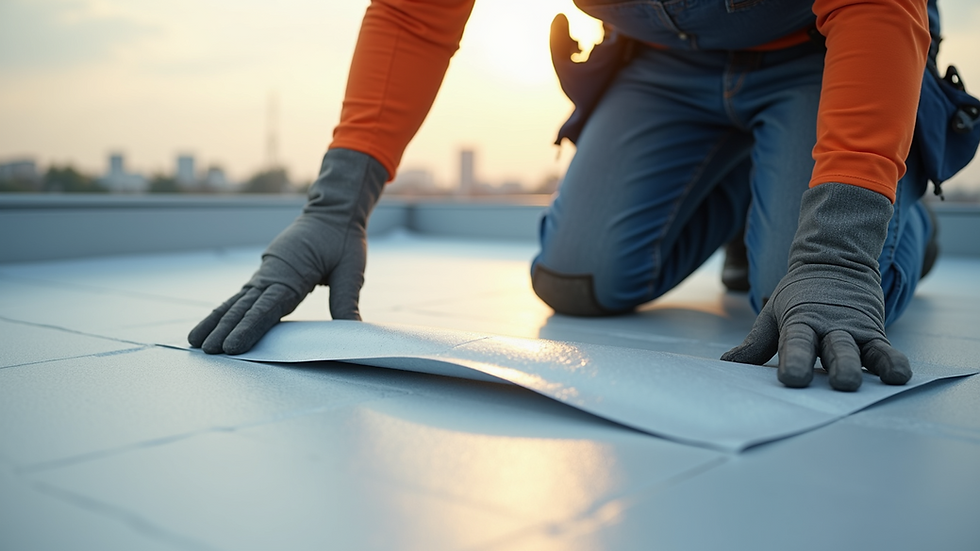
Single-ply membranes, such as EPDM (ethylene propylene diene monomer) and TPO (thermoplastic polyolefin), are popular due to their flexibility and ease of installation. These membranes are typically installed in large sheets, reducing the number of seams and potential leak points. Built-up roofing, consisting of multiple layers of bitumen and reinforcing fabrics, offers excellent waterproofing but requires more labour and time.
The tools required for flat roofing include roofing knives, rollers, heat guns, and adhesive applicators. Safety equipment such as harnesses and scaffolding is also essential, especially when working at height. Proper training in the use of these tools ensures that the installation process is both efficient and safe.
How much does a flat roof extension cost?
The cost of a flat roof extension varies widely depending on several factors, including the size of the extension, the materials chosen, and the complexity of the installation. On average, homeowners in the Scottish Highlands can expect to pay between £1,200 and £2,500 per square metre for a high-quality flat roof extension.
Labour costs constitute a significant portion of the total expense, particularly if the project involves structural modifications or complex drainage solutions. Additionally, the choice of materials impacts the price; for instance, EPDM membranes tend to be more affordable than high-end liquid-applied systems.
It is advisable to obtain multiple quotes from reputable roofing contractors to ensure competitive pricing and quality workmanship. Transparent communication about the project scope and expectations will help avoid unexpected costs during the installation process.

Best Practices for Ensuring Longevity and Performance
To maximise the lifespan of a flat roof, several best practices should be followed during and after installation. Firstly, attention must be paid to the sealing of all joints and penetrations, such as vents and skylights. These areas are particularly vulnerable to leaks and require high-quality sealants and flashing.
Regular maintenance is equally important. Scheduled inspections, ideally twice a year and after severe weather events, can identify potential issues before they escalate. Clearing debris, checking for ponding water, and repairing minor damage promptly will extend the roof’s service life.
Furthermore, incorporating green roofing elements or reflective coatings can enhance the roof’s performance. Green roofs provide additional insulation and reduce stormwater runoff, while reflective coatings help lower surface temperatures, reducing cooling costs in warmer months.
Choosing the Right Contractor for Flat Roofing Projects
Selecting a qualified and experienced contractor is crucial for the success of any flat roofing project. Contractors should possess relevant certifications, a proven track record, and positive customer reviews. It is beneficial to request references and view previous work to assess the quality of their installations.
A professional contractor will conduct a thorough site assessment, provide a detailed quote, and explain the installation process clearly. They will also ensure compliance with local building regulations and safety standards, which is particularly important in regions with stringent codes like the Scottish Highlands.
Engaging with a reputable company such as Seamus Slater Roofing guarantees access to expert advice and reliable service. Their commitment to quality and professionalism makes them a preferred choice for flat roofing solutions in the area.
Final Considerations for Flat Roofing Projects
In summary, flat roofing requires a combination of precise techniques, quality materials, and professional expertise to achieve optimal results. The unique challenges posed by flat roofs, such as drainage and waterproofing, demand careful planning and execution. By adhering to best practices and engaging skilled contractors, property owners can ensure their flat roofs provide lasting protection and value.
The investment in a well-installed flat roof not only enhances the building’s aesthetic appeal but also contributes to energy efficiency and structural integrity. With the right approach, flat roofing can be a practical and attractive solution for modern properties across the Scottish Highlands.


Comments